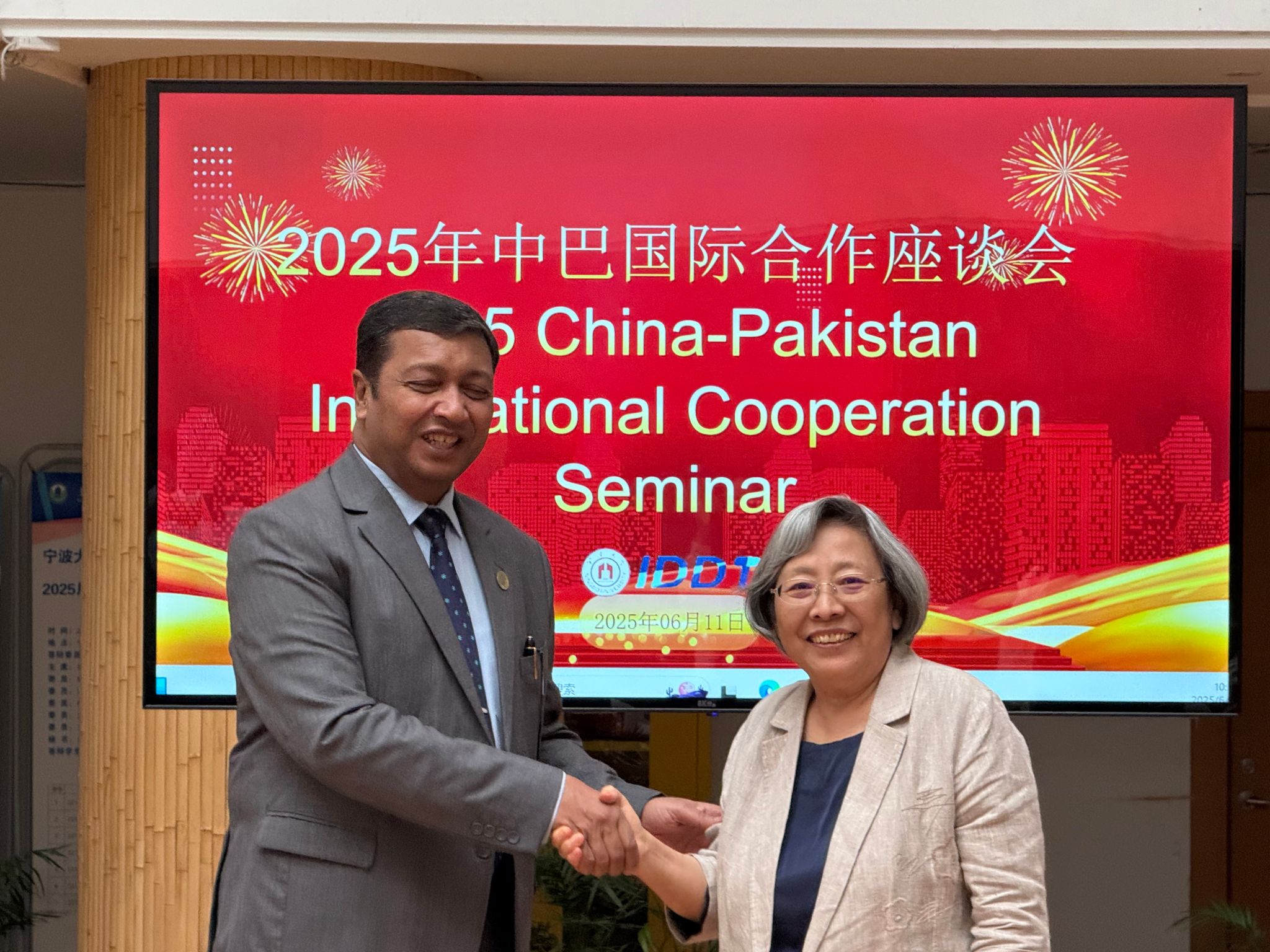
On June 11, 2025, the Ningbo University Institute of Drug Discovery Technology successfully held the "2025 China-Pakistan International Cooperation Symposium." In attendance were Professor M. Iqbal Choudhary, Vice President of The World Academy of Sciences (TWAS), Fellow of the Pakistan Academy of Sciences, and Coordinator General of the Committee on Scientific and Technological Cooperation of the Organization of Islamic Cooperation (COMSTECH); Professor Atia-tul Wahab and Professor Sammer Yousuf from the International Center for Chemical and Biological Sciences (ICCBS), University of Karachi; Academician Zhao Yufen of the Chinese Academy of Sciences and Director of the Institute of Drug Discovery Technology; Deputy Director Le Zunmin of the Science and Technology Talents Division (Municipal Foreign Experts Bureau), Ningbo Science and Technology Bureau; Deputy Director Xu Menghui of the Science and Technology Office, Ningbo University; Professor Liu Xinmin, World Health Organization Traditional Medicine Consultant and Chief Scientist of the Ningbo University Institute of Drug Discovery Technology; Chief Scientist Professor Chen Yuzong; Executive Vice Director Researcher Huang Shaohua, along with other leaders, experts, key members from relevant disciplines, and young researchers from both China and Pakistan. The meeting was hosted by Ningbo University, organized by the Ningbo University Institute of Drug Discovery Technology, and co-organized by Ningbo Qianhu Active Health Technology Co., Ltd. Professor Liu Xinmin presided over the meeting.
This symposium focused on the core theme of "Establishing a China-Pakistan Belt and Road Joint Laboratory," bringing together top research institutions and expert scholars from both China and Pakistan, aiming to promote high-level scientific and technological cooperation between the two countries within the Belt and Road framework and jointly explore future directions for China-Pakistan traditional medicine cooperation.
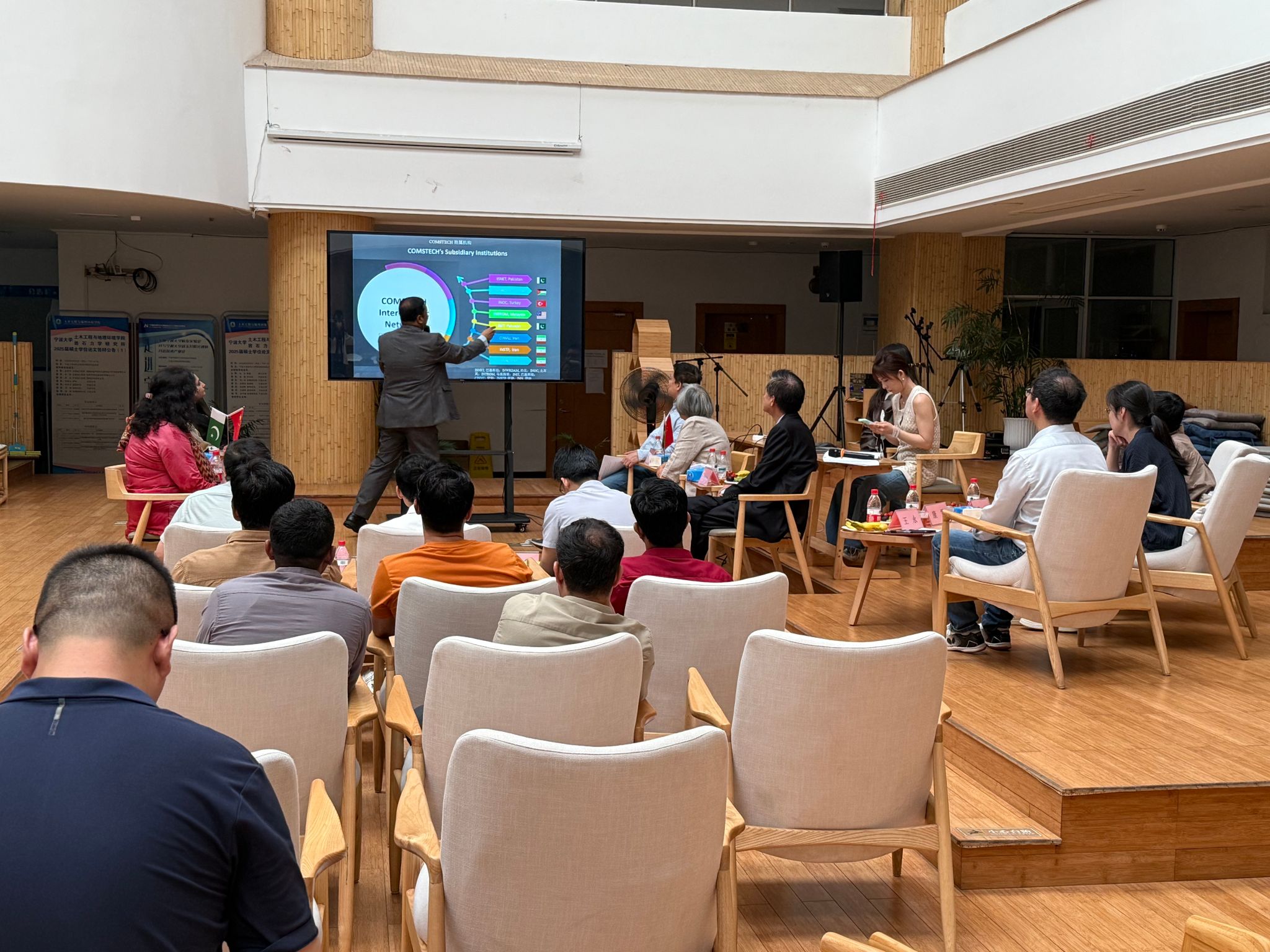
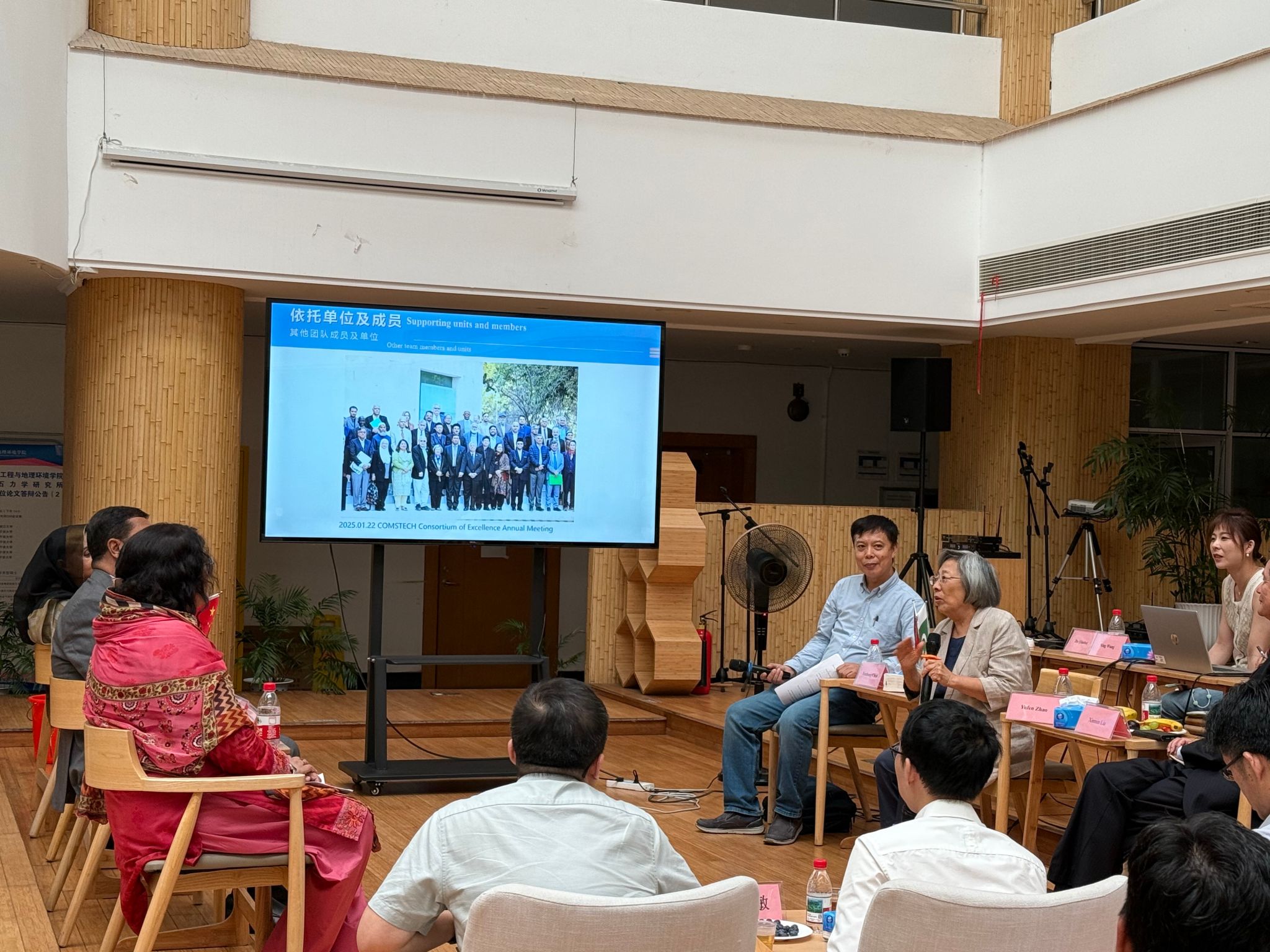
At the opening of the meeting, Academician Zhao Yufen extended a warm welcome to the attending guests and introduced the basic situation of Ningbo University and the Institute of Drug Discovery Technology, emphasizing the important significance of China-Pakistan traditional medicine cooperation. She noted that China and Pakistan share deep historical roots and extensive market demand in the field of traditional medicine. Cooperation between the two countries will not only help enhance their pharmaceutical R&D capabilities but also provide valuable experience for the development of traditional medicine globally.
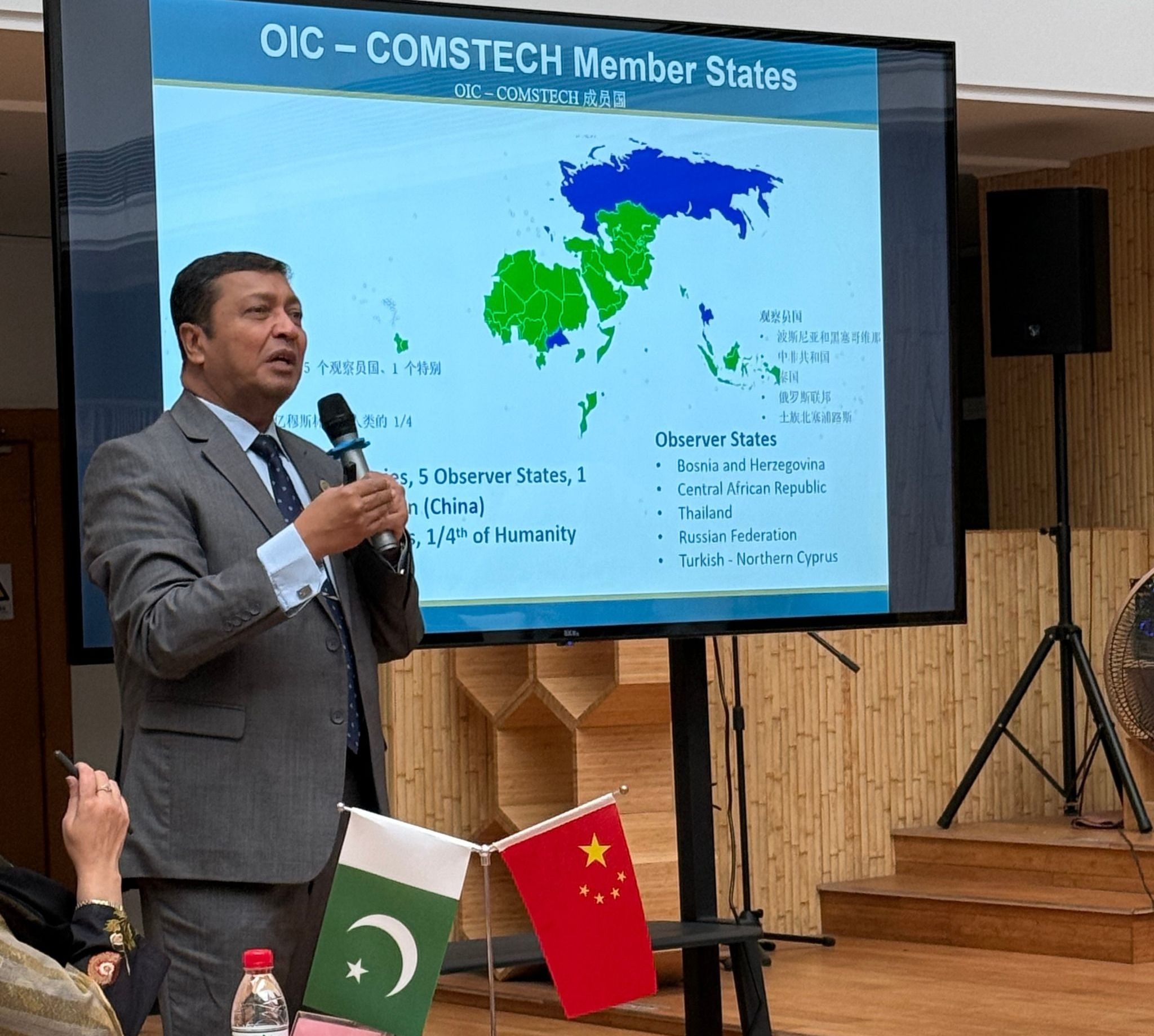
Professor M. Iqbal Choudhary, Fellow of the Pakistan Academy of Sciences and Coordinator General of COMSTECH, provided a detailed introduction to COMSTECH, emphasizing its important role in promoting scientific and technological cooperation among member states and the special position that China-Pakistan traditional medicine cooperation occupies within it. Subsequently, Professor Liu Xinmin gave a detailed presentation on the application status of the "Belt and Road Joint Laboratory." He pointed out that the establishment of this joint laboratory represents an important milestone in China-Pakistan traditional medicine cooperation and will provide broader space and platforms for scientific research cooperation in traditional medicine between the two countries. The laboratory will focus on multiple key aspects including preclinical research, clinical studies, quality control, and international registration of traditional medicine, dedicated to promoting the modernization of China-Pakistan traditional medicine and enhancing both countries' influence in the global traditional medicine field.
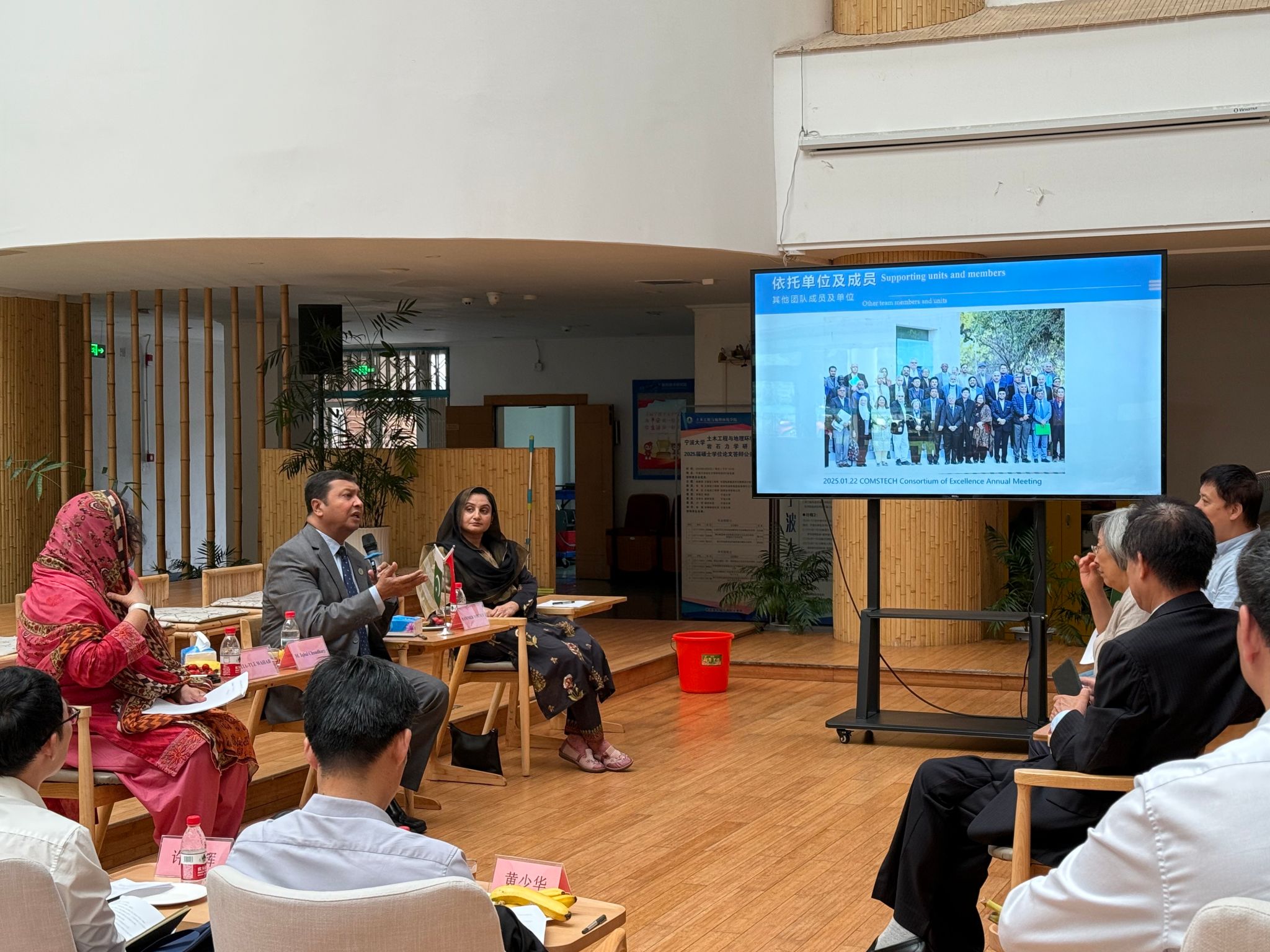
During the discussion and exchange session, attendees engaged in in-depth discussions regarding the preparation work for the "Belt and Road Joint Laboratory." Deputy Director Le Zunmin expressed that Ningbo Municipality would fully support the application for the "Belt and Road Joint Laboratory" and offered two recommendations: first, to further plan and develop this work based on the China-Pakistan cooperation foundation and from the perspective of national strategy; second, to consolidate the cooperation foundation and apply for more provincial and national-level projects. Professor Chen Yuzong indicated that his team could provide modern scientific and technological means to elucidate the mechanisms of traditional Chinese medicine. Professor Kang Xue also noted that there exists cooperation potential between both sides in the field of nuclear magnetic resonance. In summary, Chinese representatives expressed their commitment to fully utilizing their technical advantages in traditional medicine R&D, clinical research, and quality control to provide comprehensive support for the laboratory's construction. Pakistani representatives expressed their intention to actively integrate domestic traditional medicine resources to provide strong guarantees for the laboratory's establishment and development.
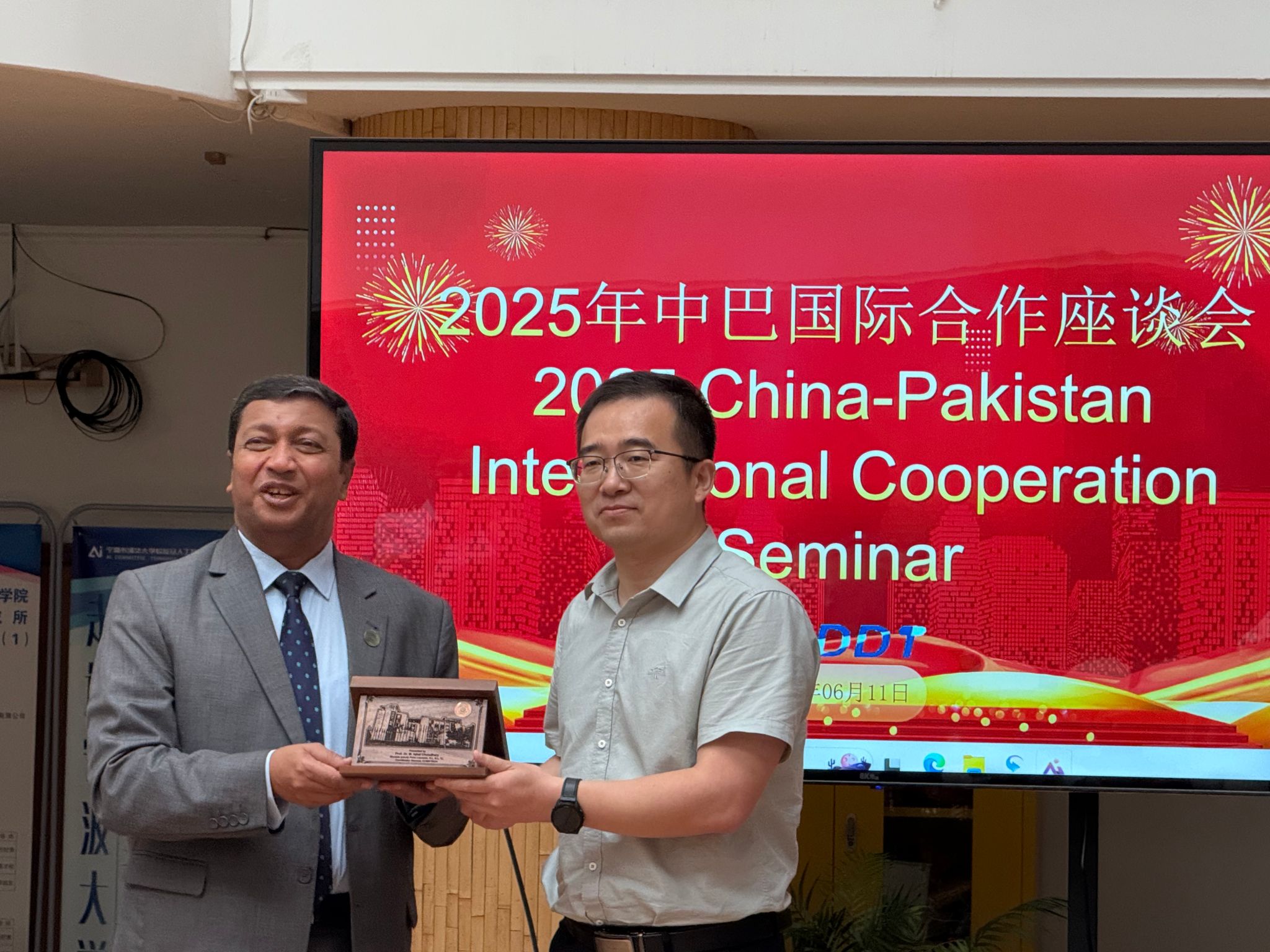
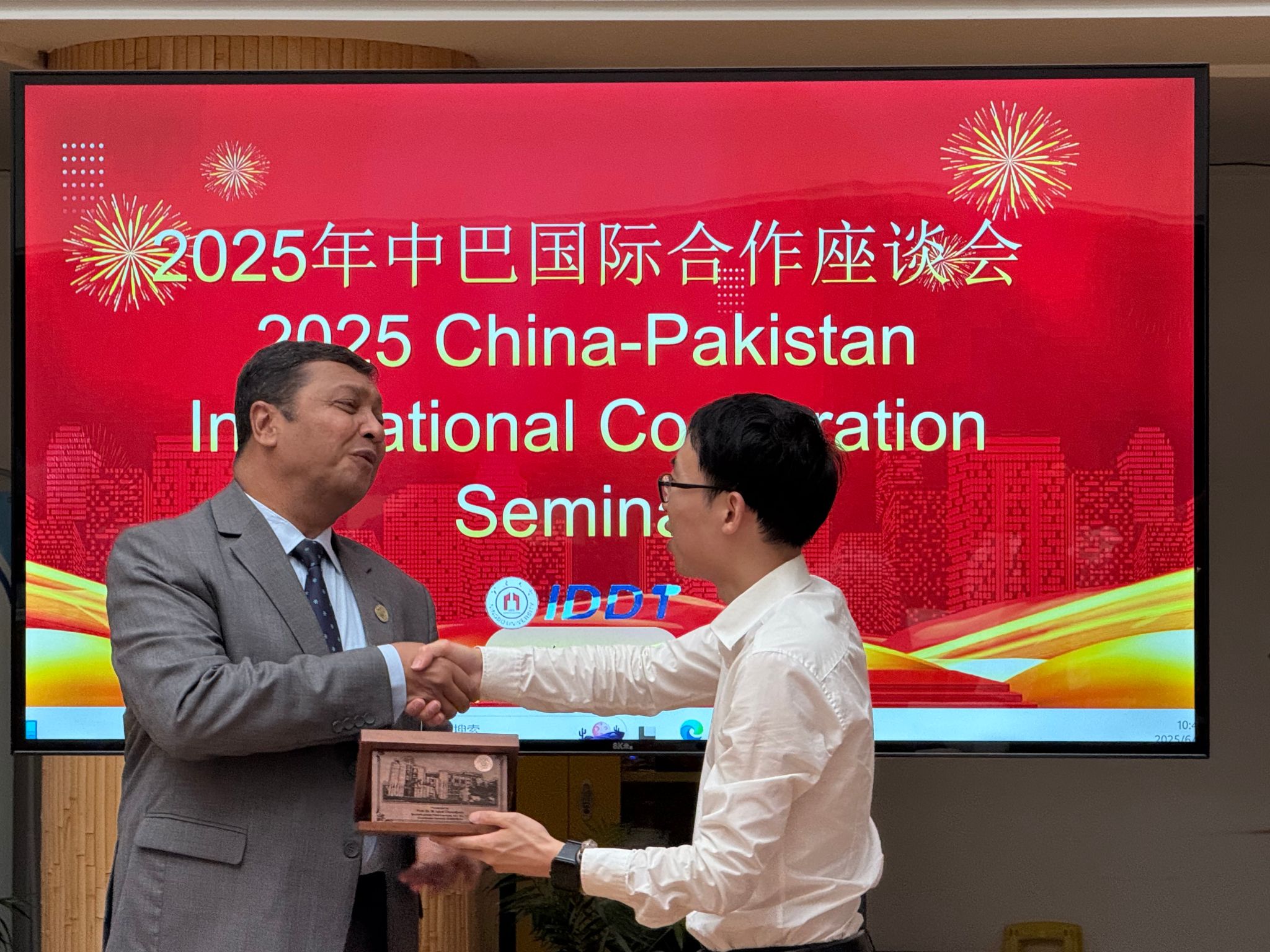
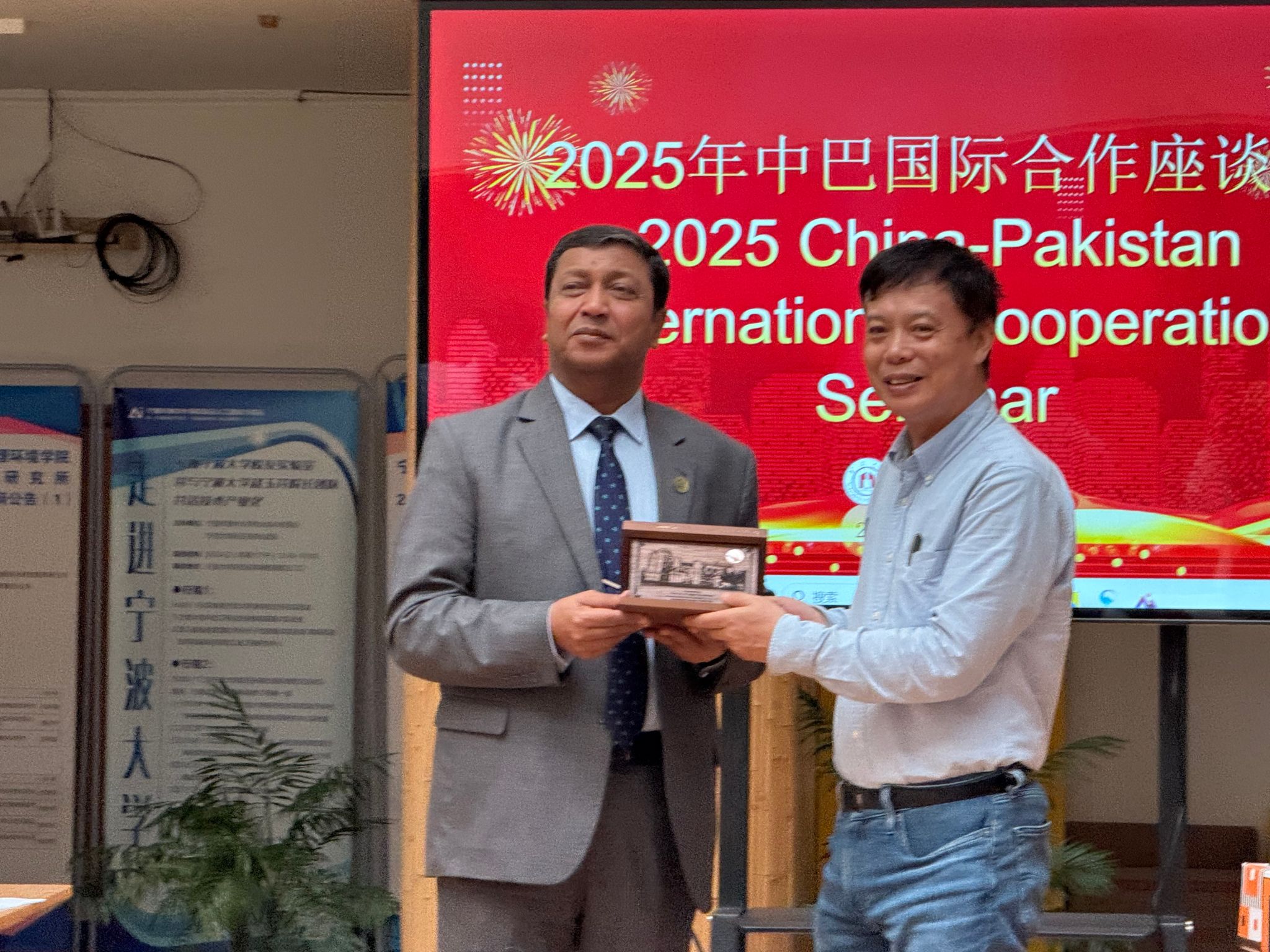
At the conclusion of the meeting, both sides exchanged commemorative gifts and presented certificates to students who received the 2025 Outstanding Master's Thesis Award from the Institute of Drug Discovery Technology.
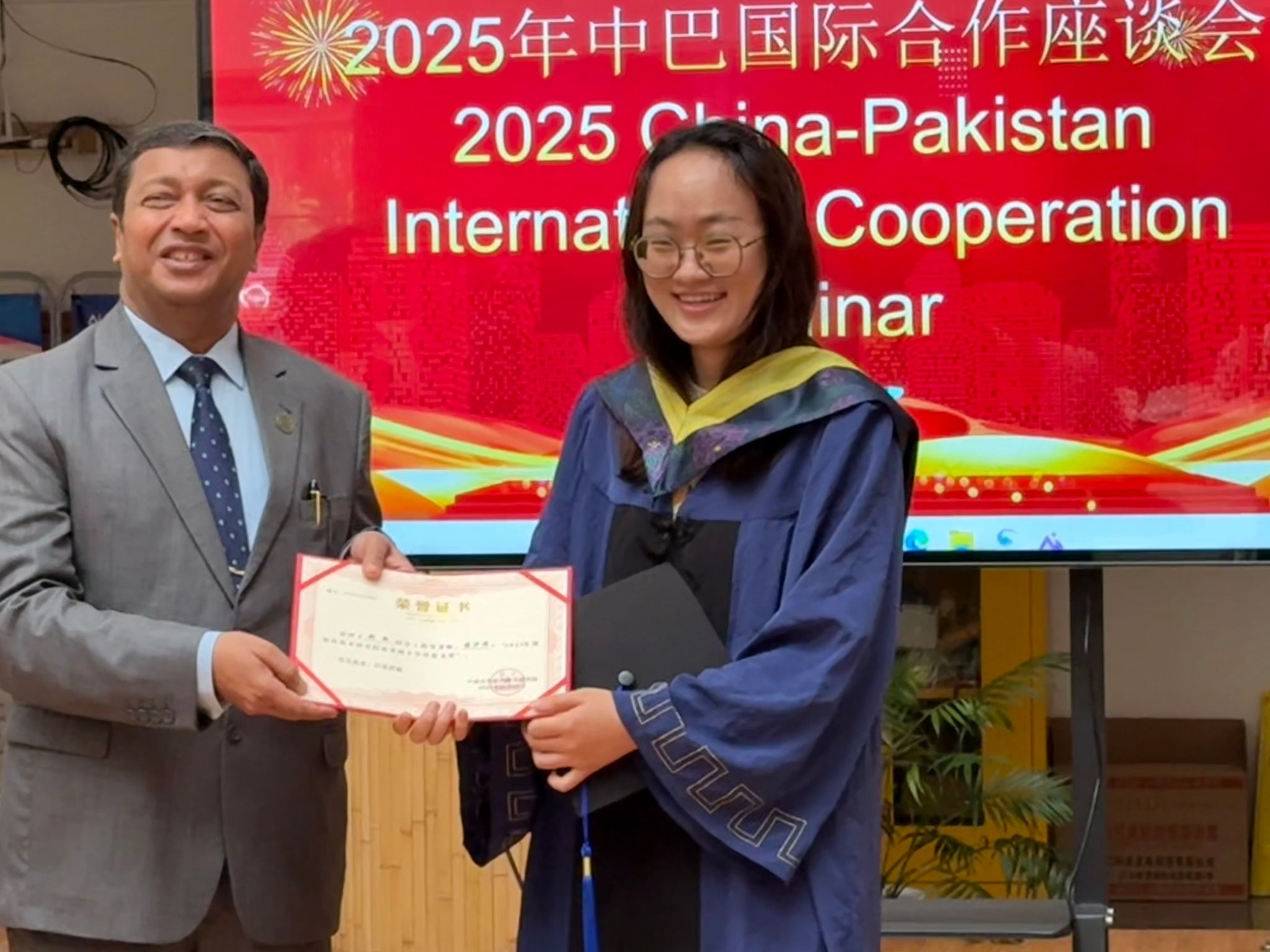
The successful convening of this symposium marks a crucial step toward the substantive establishment of the "China-Pakistan Belt and Road Joint Laboratory." It not only represents an important manifestation of Ningbo and Ningbo University's active integration into China's Belt and Road Initiative and expansion of high-level international scientific and technological cooperation, but also demonstrates the firm determination of both China and Pakistan to deepen mutual trust and advance together in the field of scientific and technological innovation. Both sides look forward to using this as a new starting point to accelerate the construction of the joint laboratory, building it into an exemplary platform for China-Pakistan scientific and technological cooperation, and jointly contributing to the economic and social development and public health and well-being of both countries and the broader region.

